
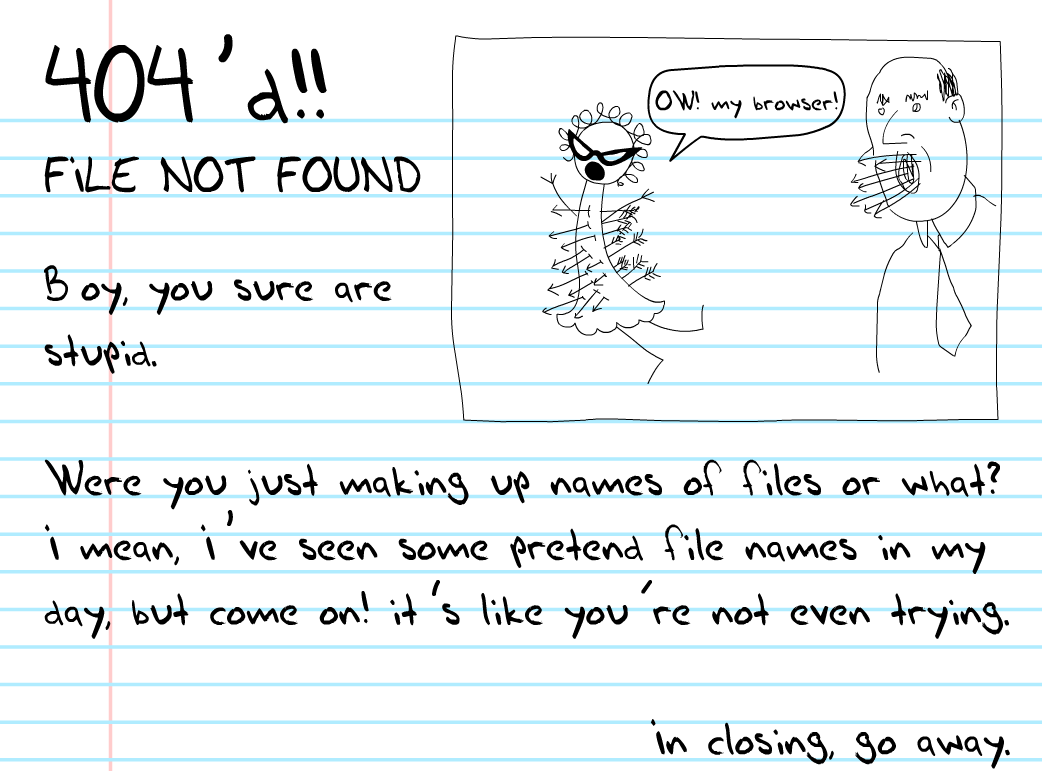
When people try to visit a page on your website that doesn’t exist, what happens? Do they reach a 404 page? If not, you’ll need to add this soon.
What is a 404 page?
The requested page could not be found but may be available again in the future (w3schools).
When a visitor goes to your website, they should get an error message that indicates that the content they were looking for isn’t at the page they landed on. Ideally, you will help them find something related to what they were looking for by presenting them with a search box and related items.
Awesome 404 Pages
Take a look at a few best-of 404 posts:
- The Best 404 Pages on the Internet
- 33 More Entertaining 404 Error Pages
- 49 Nice And Creative Error 404 Pages
- 60 Really Cool And Creative Error 404 Pages
How to Make a 404 Page
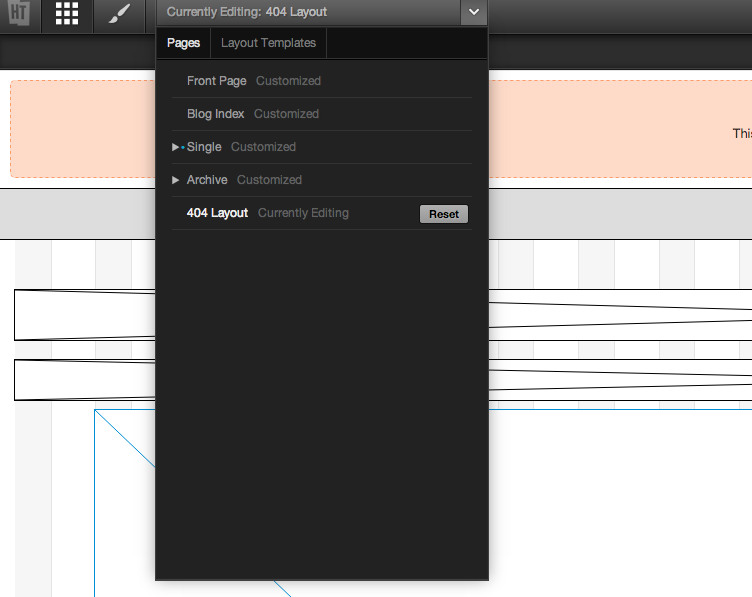
To make a custom 404 page, you have a few options. First, your theme may have a 404 area to create your page:
If your theme doesn’t have that option, try using a WordPress plugin, like Custom 404.
Testing your 404 Error Page:
To test your 404 error page, add any extra address to the end of your domain, or visit yourdomain.com/404.
Editor’s note: This post was originally published in 2014. While the core concepts about error pages remain relevant, some plugins and tools mentioned may have changed. Modern WordPress themes typically include built-in support for custom error pages, and many hosting providers now offer their own solutions as well. The important takeaway is that every website should have a thoughtful, user-friendly error page that helps visitors find what they are looking for. A well-designed error experience reflects professionalism and keeps people engaged with your site rather than bouncing away. If you are working on improving your WordPress site, you might also want to explore how to contribute to WordPress education and community projects.